
Innovation at Prosegur Security
Fifty years in security. People and technology working as one program.
What Innovation Looks Like on a Post
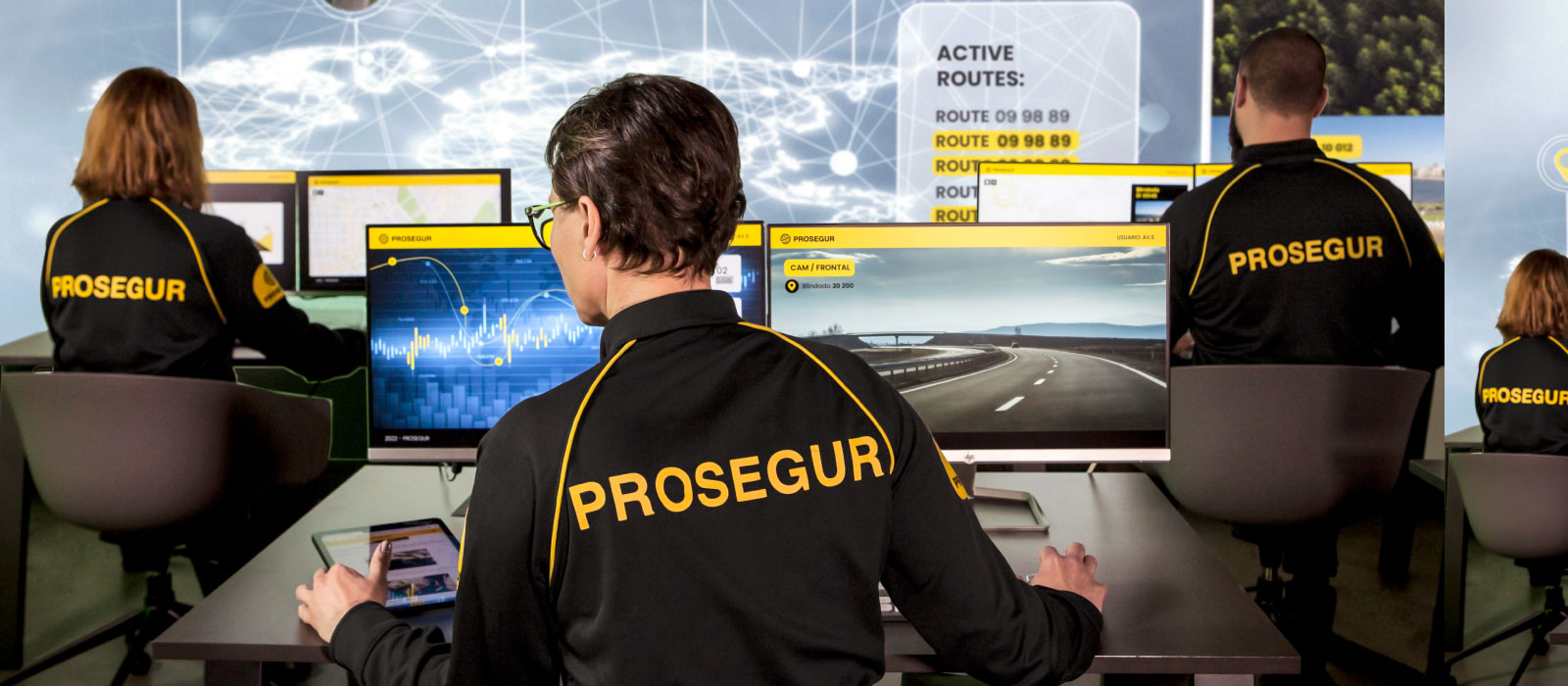
Security has always been a people business, and it still is. What's changed is what we put in an officer's hands. Innovation here isn't a lab or a department, it's the tools you use on shift. We call our approach hybrid security: officers on site, technology supporting them, and a monitoring center connecting the two. It isn't about replacing people with software. It's about making sure nobody works a post without backup, without clear direction, or without their work being seen. Three systems make that possible: POPS, the iSOC, and CONNECT. Each one was built around the people who use it.
POPS: built to make the job clearer
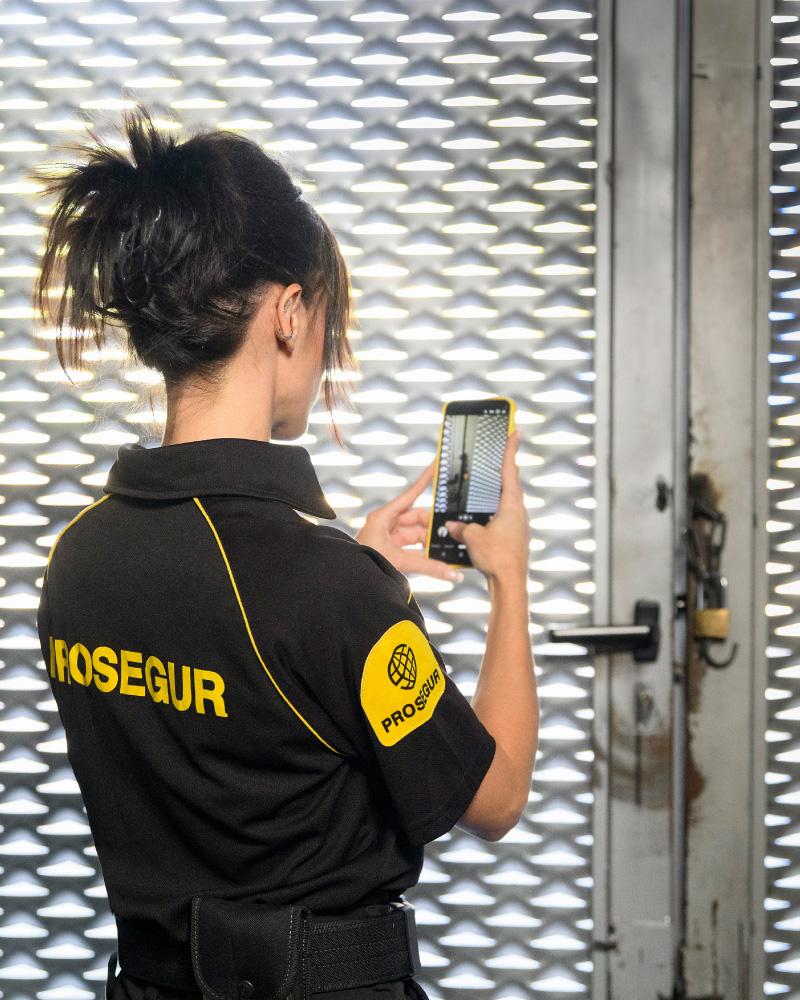
very Prosegur officer works with POPS, our security operations and officer management tool. It exists for a simple reason. Officers do better work when they know exactly what's expected, have a fast way to report what happened, and aren't relying on a binder that was last updated two years ago.
What it does for an officer on shift:
- Post orders on your phone, updated the moment they change. No outdated printouts, no guessing what the client wants this week.
- Tour verification that records the round as you walk it, so your work is documented rather than something you have to defend later.
- Incident reporting in the moment, with photos and detail captured while it's fresh, instead of written up an hour later from memory.
- A clear task list at the start of every shift, so the priorities are the client's actual priorities.
The data POPS captures flows into our wider security infrastructure, gets processed at the iSOC, and reaches the client through CONNECT. That means the work an officer does is visible all the way up, which matters when it comes time to talk about advancement.
Why it's an innovation story: most of this industry still runs on paper logs and end-of-month reports. Putting a real operations tool in every officer's hand changed what the job looks like day to day, and it came from listening to what officers said slowed them down.
The iSOC: nobody works a post alone
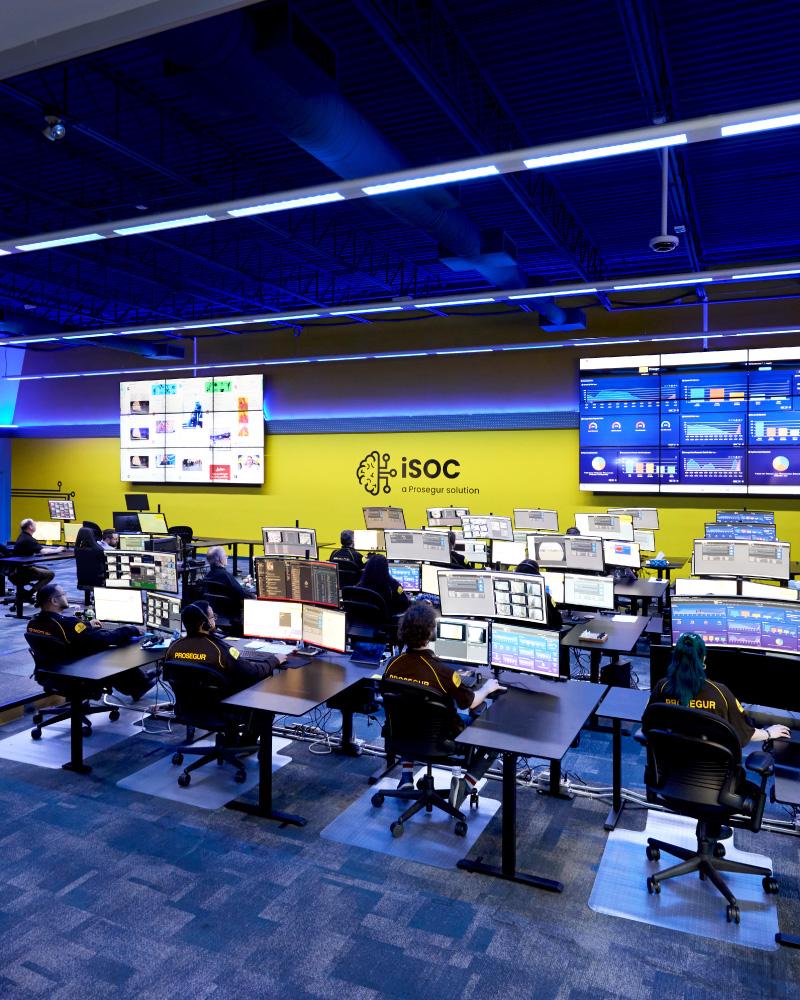
Our Security Operations Center (iSOC) in Lowell, Massachusetts runs around the clock. It's where information from POPS, video systems, access control, and connected sensors comes together and gets acted on.
In September 2025, the iSOC earned UL 827B Video Monitoring Center certification, an independent standard for reliability and operational rigor that few monitoring centers in the country hold.
What that means on the ground: an officer working a large site has remote eyes supporting them. When something looks wrong, an iSOC operator can pull up video, verify what's happening, speak through on-site audio, and escalate before the situation gets worse. Alarm verification means law enforcement responds to real events rather than false ones. Virtual patrols cover the areas an officer can't be in at that exact moment.
As a career path: iSOC roles run from monitoring operators to analysts to the technology teams building the tools they use. It's one of the few environments in this industry where field operations, video analytics, and software development happen in the same building, and internal moves between them are common.
CONNECT: where good work becomes visible
CONNECT is the client portal. Customers see their program in real time: officer schedules, completed patrols, logged incidents, tasks carried out, and the activity coming off their site.
Most security companies deliver a monthly PDF. Live visibility changes the relationship. The conversation moves from proving coverage happened to deciding what to do next.
Why officers should care: when a client can see the tours walked, the incidents caught, and the tasks completed, strong performance stops being invisible. It shows up in retention, in account growth, and in the case for a promotion.