

Emergency & Temporary Security Services
Officers on site in hours, anywhere in the country. Delivered by our National Contingency Services team.
Nationwide Emergency & Temporary Security Services
When a situation can't wait for a procurement cycle, Prosegur's National Contingency Services division deploys licensed security officers nationwide on short notice. Most requests are filled within 24 hours, and officers can be on site within hours of your call.
We cover fire watch requirements, hurricanes and severe weather, labor disputes and strikes, civil unrest, facility damage and unplanned closures, and coverage gaps left when an existing provider can't staff your site. Because we maintain local teams in more than 30 cities and hold licenses in 36 states, officers deploy from a nearby market rather than travelling across the country.
Why Organizations Call Us First

Officers On Site in Hours
Most requests are filled within 24 hours, with officers deployed within hours of the initial call. No procurement cycle, no site survey before coverage begins.

Coverage Anywhere in the Country
Licensed in 36 states with local teams in more than 30 cities, so we deploy from nearby rather than dispatching across the country. Multi-site emergencies get one point of contact.

Ready for the Situation You're In
Fire watch, storms and natural disasters, labor disputes and strikes, civil unrest, and sudden coverage gaps. Officers are briefed on the specific conditions rather than dropped into an unfamiliar post.

Stay as Long as You Need
Contingency deployments run as long as you need them, and if the situation turns into an ongoing requirement, the same team transitions into a standing program without a rebid.
Situations We Deploy Security For
Storms and Natural Disasters
Before, during, and after hurricanes, flooding, wildfires, and severe weather.
- Site securing ahead of a storm, damage assessment support after
- Theft and vandalism deterrence while a facility is closed or unstaffed
- Access control for restoration crews, adjusters, and contractors
Fire Watch
When a fire alarm, sprinkler, or life safety system is out of service, or a fire marshal or insurer requires standby coverage.
- Documented patrols at the interval your code official specifies
- Compliance logs for the fire marshal, AHJ, or insurance carrier
- Coverage beginning on short notice, continuing until the system is restored
Strikes, Labor Disputes, and Civil Unrest
Work stoppages, picketing, protests, and demonstrations affecting your site.
- Access point control, plus escorts for personnel and vehicles
- Armed and unarmed uniformed officers, and executive protection for named individuals
- Documented activity logs, incident reporting, and coordination with local law enforcement
System Failures and Coverage Gaps
When your security technology goes down, or your current provider can't staff the site.
- Officers covering posts while systems are repaired or replaced
- Temporary cameras, mobile surveillance units, and remote monitoring
- Full post coverage when an incumbent provider fails to show
Workplace Violence and High-Risk Terminations
Threat situations, restraining orders, and separations that carry risk.
- Officer presence for the termination and the days following
- Threat assessment and short-term protective coverage
- Armed officers where the risk profile calls for it
Planned Short-Term Coverage
Short-term needs with a known start and end date.
- Holiday retail, conventions, and corporate events
- Construction sites and vacant or transitioning properties
- Executive travel and VIP transportation
Real Cases, Same-Day Coverage
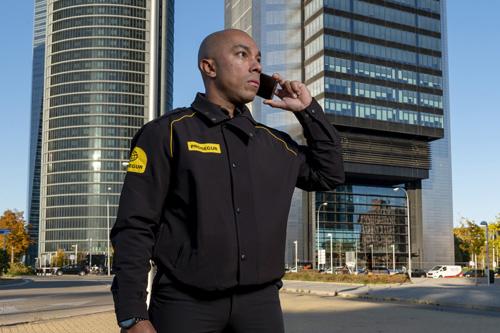
Multi-National Tech Company
- The situation: Alarm systems across several facilities went offline, leaving multiple locations without electronic coverage at the same time.
- What we did: Unarmed officers deployed to each affected site, with staffing scaled per location.
- The outcome: Continuous coverage across all sites until systems were restored, with no reported incidents.
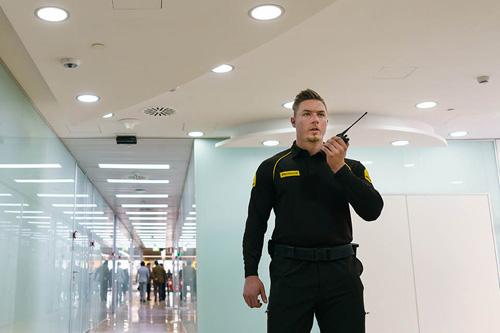
National Healthcare Facility
- The situation: Three separate emergencies over the course of the relationship: a hurricane response, a fire watch requirement, and an active shooter incident.
- What we did: Armed, unarmed, and specialized officers deployed for each event, matched to the conditions.
- The outcome: Coverage in place within hours every time, with the same team available across all three.
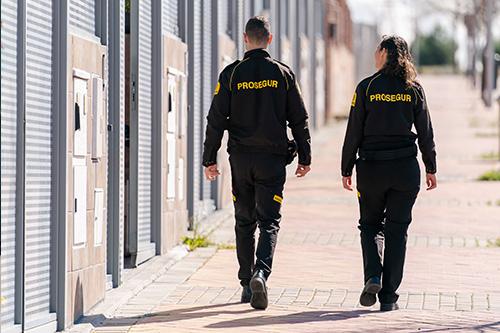
Online Auto Retailer
- The situation: Theft exposure at an unsecured inventory site, compounded by a fire watch requirement.
- What we did: A combined armed and unarmed detail covering both the theft risk and the standby patrols.
- The outcome: Site secured and fire watch documentation maintained through the coverage period.
FAQ About Emergency and Temporary Security Services
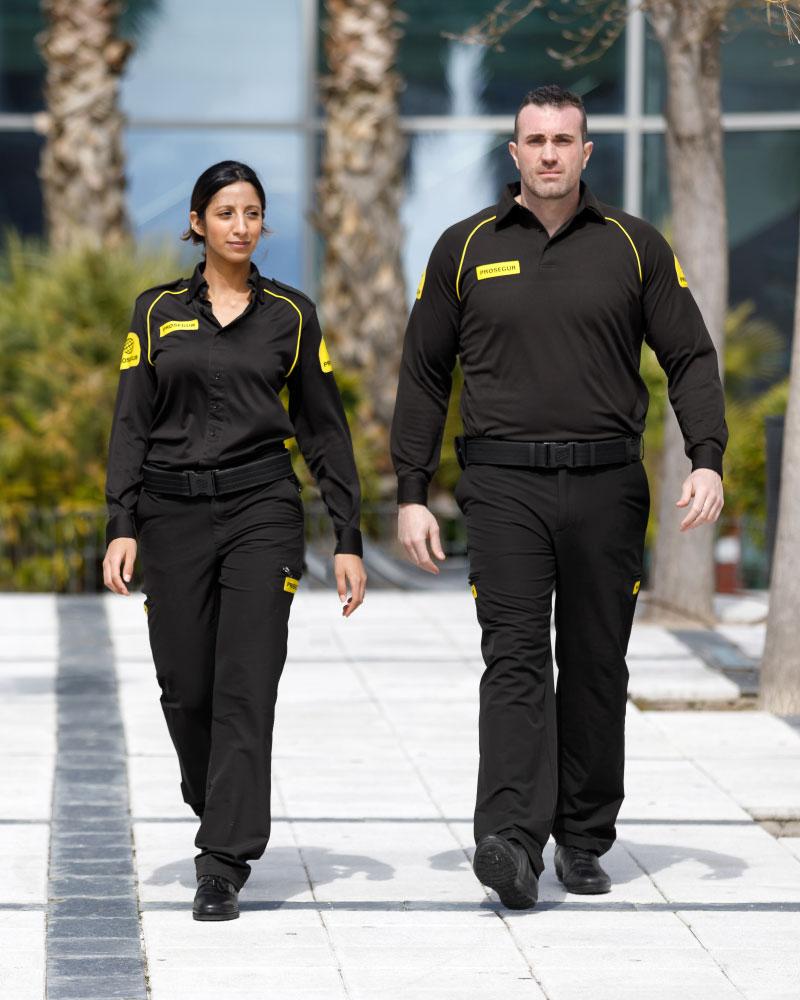
Emergency security services provide short-notice security staffing when a situation requires coverage that cannot wait for a standard procurement and onboarding process. Common circumstances include fire watch requirements, natural disasters and severe weather, labor disputes and strikes, civil unrest, facility closures, and the sudden loss of an existing security provider. Prosegur delivers these deployments through National Contingency Services, a dedicated division that operates separately from standard account onboarding.
Most requests are fulfilled within 24 hours, and officers can be deployed within hours of the initial request depending on location, the number of officers required, and any specialized licensing or certification needed for the assignment. Because Prosegur maintains local teams in more than 30 cities, officers are typically deployed from a nearby market rather than dispatched across the country.
Deployments commonly support fire watch requirements, hurricanes, storms, flooding, and other natural disasters, labor disputes and strike coverage, civil unrest and demonstrations, facility damage or unplanned closures, evacuations, construction and industrial incidents, and gaps created when an existing security provider is unable to staff a site. Coverage can also be arranged for short-term events, temporary facility openings, and periods of elevated risk.
Yes. Fire watch coverage is one of the most frequent emergency requests, typically arising when a fire alarm system, sprinkler system, or other life safety system is out of service, or when required by a fire marshal, local code official, or insurance carrier. Officers conduct documented patrols on the interval specified for the property, monitor for hazards, and maintain the logs generally required to demonstrate compliance. Coverage can begin on short notice and continue until the underlying system is restored.
Yes. Labor dispute coverage can include access point control, facility and perimeter protection, escorting personnel and vehicles, documentation of activity, and coordination with local law enforcement where appropriate. Deployments are planned in advance where the timeline is known, and officers are briefed on the specific conditions and protocols for the site. Requirements vary by jurisdiction, and staffing plans are developed accordingly.
Yes. Officers deployed for emergency assignments meet the same licensing, screening, and training standards as officers assigned to standard security programs, including applicable state licensing and registration requirements. Both armed and unarmed officers are available, subject to state licensing requirements and the conditions at the site. Prosegur holds security business licenses in 36 states along with city and county licenses where separately required. License information is published on our Licenses page.
Coverage can run for as little as a single shift or continue for weeks or months, depending on the situation. Some deployments end when a system is repaired, a dispute is resolved, or a facility reopens. Others develop into an ongoing requirement, in which case the deployment can transition into a standing security guard services program without rebidding or replacing the officers already familiar with the site.
Yes. Multi-site deployments are coordinated through a single point of contact, which is often relevant during regional weather events, portfolio-wide incidents, and situations affecting several facilities at the same time. Reporting can be consolidated across sites so that activity at each location is documented and visible in one place.
Complete the contact form on this page and a member of the National Contingency Services team will follow up to begin arranging coverage. Include the location, the type of situation, and when coverage needs to start so the request can be routed to the nearest team. Organizations can also put a contingency agreement in place before it is needed, so that coverage can begin without a procurement process when a situation arises.