
Three Signs Your Current Security Program May Not Be Future-Ready
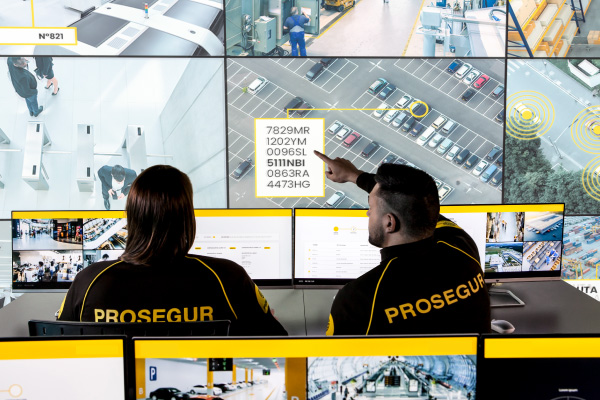
Table of contents:
In a world of evolving threats and rapidly changing technology, ensuring your security program is prepared for the future is essential to protecting your people, property, and operations. A modern approach to security helps organizations anticipate risks and adapt to new challenges. Here are three key signs that your current program may not be ready for what’s next, along with ways to strengthen it.
1. Reliance on Outdated Tools and Practices

If your security operations still rely on manual patrols without data insights, basic alarm systems, or analog cameras, your business may be vulnerable. Legacy systems often lack real-time intelligence, integration capabilities, and remote visibility, making it difficult to respond quickly to emerging threats.
Why It Matters: Modern security requires more than presence. It demands awareness. Upgrading to solutions such as video analytics, connected monitoring, and mobile reporting enables guards and management to make informed, real-time decisions that enhance safety and efficiency.
How to Prepare: Modernize your approach by combining trained officers, advanced video surveillance, and remote monitoring through our iSOC and/or your own GSOC. Integrated technology and human expertise work together to provide smarter, faster protection across all your sites.
2. Fragmented or Uncoordinated Security Operations

If your guarding, monitoring, and risk management functions operate independently, you may be leaving gaps in your protection. A lack of coordination can slow down incident response, increase costs, and make it difficult to manage threats holistically.
Why It Matters: A future-ready security program unites on-site guards, remote monitoring, and risk analysis into one cohesive strategy. Integration ensures information flows efficiently between teams, allowing incidents to be identified, assessed, and resolved with greater precision.
How to Prepare: Choose a partner that delivers protection by aligning manned guarding, remote video and alarm monitoring, and professional risk management services. This connected approach builds a security ecosystem that is tailored to your business needs and responsive to change.
3. Inability to Adapt to Changing Risks

If your security program is not designed to evolve with new risks such as workplace disruptions, supply chain challenges, cyber vulnerabilities or insider threats, it may quickly fall behind. Static plans and outdated training can reduce effectiveness when conditions shift.
Why It Matters: The security landscape is constantly changing. A future-ready program is flexible, scalable, and based on continuous assessment and improvement. This helps your business remain protected whether you are expanding operations, facing new threats, or managing critical events.
How to Prepare: Conduct regular risk assessments and scenario-based planning to ensure your security posture evolves alongside emerging challenges. Combining data-driven insights with experienced security professionals helps maintain resilience and readiness in every situation.
Conclusion
Preparing for the future means creating a security program that is smart, coordinated, and adaptable. By modernizing outdated tools, aligning your guarding and monitoring strategies, and continuously reassessing risks, you can protect your organization against both current and future threats.
Prosegur Security helps businesses across the United States build proactive, integrated programs designed for lasting protection. Contact our team to evaluate your security program and take the next step toward future-ready safety and performance. Click here to schedule your site walkthrough today!
Stay updated with the latest security trends and analyses by following Prosegur's blog.