
Securing the Edge: Protection for Distributed and Modular Data Centers
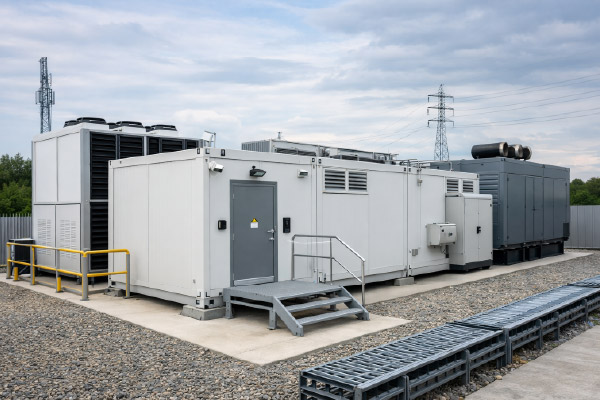
Table of contents:
As the world’s demand for speed and connectivity accelerates, data is moving closer to the edge. Edge computing and modular data centers are transforming how organizations process and store information, allowing faster response times and more efficient operations. This shift also introduces new security challenges that require flexible and intelligent protection strategies.
At the edge, the physical layer of security becomes even more important. Unlike large-scale data centers housed in heavily fortified facilities, edge and modular sites are often smaller, distributed, and located in less controlled environments. Protecting them requires a balance of technology, remote visibility, and human adaptability.
The Rise of Edge and Modular Data Centers
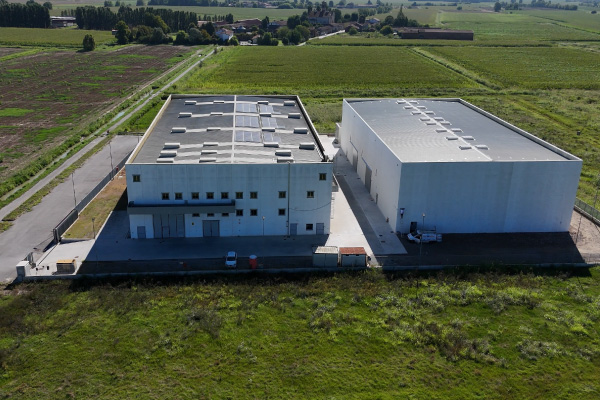
Edge computing decentralizes data processing by bringing it closer to the users and devices generating it. This improves speed and reduces latency for smart city systems, autonomous vehicles, and Internet of Things (IoT) networks. To support this shift, modular data centers—compact, scalable units often housed in prefabricated structures—are being deployed across urban, suburban, and even rural areas.
However, this decentralization increases the number of physical locations that need protection. Each site, though smaller, holds mission-critical equipment and sensitive data. With more entry points and less on-site supervision, the risks multiply.
Unique Security Challenges at the Edge

Edge and modular data centers face several distinct challenges compared to traditional hyperscale facilities:
- Limited On-Site Staff: Many sites are unmanned or visited infrequently, making them vulnerable to theft, vandalism, or unauthorized access.
- Remote and Dispersed Locations: Facilities may be placed in industrial parks, rooftops, or even mobile units, increasing exposure to environmental and human threats.
- Complex Access Control: Managing credentials and permissions across multiple sites requires careful coordination and automation.
- Operational Downtime Risks: Any disruption, from power loss to intrusion, can have immediate effects on data flow, uptime, and customer service.
These challenges require a layered approach that integrates technology, centralized monitoring, and rapid response capabilities.
Strategies for Securing Distributed Data Centers

1. Centralized Remote Monitoring
A strong remote monitoring system, such as Prosegur’s iSOC, allows teams to oversee multiple data center sites in real time. By integrating video analytics, motion detection, and alarm management, security personnel can detect unusual activity instantly and dispatch local response teams when necessary.
2. Smart Access Management
Using biometric authentication, mobile credentials, and AI-assisted access logs ensures that only authorized personnel can enter critical areas. Centralized platforms also provide detailed audit trails for compliance and risk management.
3. Adaptive Guard Response
Even in highly automated environments, trained security officers remain essential. Mobile patrols and rapid-response teams can perform routine inspections, manage incidents, and maintain situational awareness across many locations.
4. Environmental and Infrastructure Monitoring
Sensors that track temperature, humidity, and power fluctuations are vital to preventing downtime and equipment damage. These systems can be integrated into the security platform to alert teams of both environmental and physical threats.
5. Incident Coordination and Intelligence Sharing
Effective edge security depends on collaboration. Security, IT, and operations teams should share information through common platforms to identify vulnerabilities early and respond quickly when incidents occur.
A Smarter, Connected Approach to Edge Security
Edge and modular data centers represent the next evolution of digital infrastructure. They are flexible, scalable, and distributed, and protecting them requires that same level of flexibility. By combining intelligent technology, trained professionals, and centralized oversight, organizations can ensure that their data remains secure, no matter where it resides.
As edge networks continue to grow, proactive and integrated security will be the key to resilience. At Prosegur Security, we believe in protecting every point of connection, from the largest hyperscale facility to the smallest edge node. For additional guidance on protecting data center environments, you can also reference our Data Center Security Services page.
Stay updated with the latest security trends and analyses by following Prosegur's blog.