
Your Building Has Access Control. But Is It Actually Controlling Access?
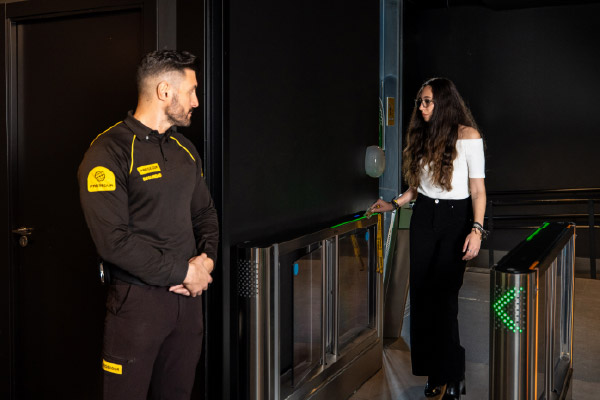
Table of contents:
Many commercial buildings have an access control system in place. Employees badge in, visitors check in at reception, and doors lock automatically after business hours. On paper, everything appears secure.
But here's the real question:
"Is your access control system actively controlling access, or is it simply recording who comes and goes?"
For many organizations, there is a significant difference. An access control system is only as effective as the policies, technology, and people supporting it. Without the right strategy, even modern systems can leave security gaps that expose facilities, employees, and critical assets to unnecessary risk.
Access Control Is More Than Opening Doors
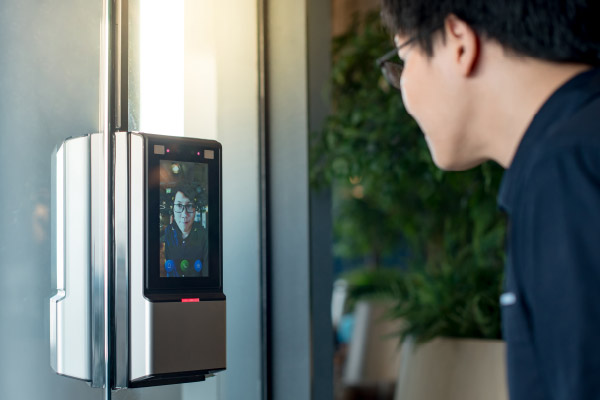
Today's access control systems do much more than replace traditional keys. They determine who can enter specific areas, when they can enter, and how those permissions are managed across an organization. Modern solutions include biometric authentication, smart cards, mobile credentials, and cloud-based management that simplify administration while strengthening security.
However, simply installing readers on doors doesn't automatically create a secure environment.
Organizations often discover that their system is operating, but not necessarily protecting.
Five Signs Your Access Control Strategy May Need Attention

1. Former Employees Still Have Active Credentials
One of the most common security oversights occurs when credentials remain active after an employee leaves the organization.
Whether it's an access card, mobile credential, or temporary badge, forgotten permissions create opportunities for unauthorized entry.
Regular audits and automated credential management help eliminate unnecessary access before it becomes a liability.
2. Everyone Has Access to Too Much
Not every employee needs access to every part of a facility.
Limiting permissions based on role, department, schedule, or security clearance reduces risk while maintaining operational efficiency.
The principle is simple: provide access only where it's needed.
3. Your Access Control Doesn't Communicate With Other Security Systems
A badge reader alone tells only part of the story.
When access control operates alongside video surveillance, remote monitoring, and intrusion detection, security teams gain valuable context during investigations and can respond more effectively to incidents. Integrated security systems help organizations verify events faster and improve overall situational awareness.
4. You Can't Easily See What's Happening Across Your Facilities
Organizations with multiple locations often struggle with inconsistent access policies and limited visibility.
Modern access control platforms allow administrators to manage credentials, review activity, and monitor facilities from a centralized interface, creating greater consistency and operational efficiency.
5. Your System Hasn't Evolved With Your Business
Businesses change.
Facilities expand. Departments move. New employees join. Contractors rotate in and out. Security risks evolve.
If your access control strategy hasn't kept pace, your organization may be relying on outdated permissions, aging hardware, or processes that no longer reflect how your business operates.
AI Is Changing What Access Control Can Detect

Traditional access control tells you who badged in and when. It doesn't tell you whether that activity was normal.
Artificial intelligence is changing that. Rather than simply logging events for someone to review later, AI-enabled systems can learn what typical access patterns look like for a given employee, department, or facility, and flag activity that falls outside that pattern in real time.
That shift from passive recordkeeping to active detection shows up in a few practical ways:
- Anomaly detection: An access attempt at an unusual hour, from an unexpected door, or on a credential that should have been deactivated can be flagged automatically instead of surfacing only during a manual audit.
- Faster, more accurate investigations: When AI-driven video analytics are paired with access control data, security teams can automatically correlate a badge event with the corresponding camera footage, cutting the time it takes to confirm what actually happened.
- Fewer false alarms: By distinguishing routine variation from genuine risk, AI-assisted monitoring reduces the alert fatigue that causes real incidents to get lost in the noise.
- Predictive insight: Over time, AI models can surface trends across a facility or portfolio, such as recurring tailgating at a specific entrance, that point to a policy or hardware gap before it becomes an incident.
None of this replaces sound policy or trained personnel. AI works best layered on top of the fundamentals already covered here: least-privilege access, prompt deprovisioning, and integrated systems. But for organizations that have those fundamentals in place, AI is quickly becoming the difference between a system that records activity and one that actively helps protect the business.
Access Control Should Support Operations, Not Slow Them Down

The best security solutions create a better experience for employees and visitors while reducing administrative burdens.
Modern systems can provide:
- Role-based access permissions
- Biometric authentication for high-security areas
- Mobile credentials that eliminate physical keys
- Detailed audit trails for investigations and compliance
- Centralized management across multiple locations
- Integration with video surveillance and remote monitoring
When implemented correctly, access control becomes more than a security tool. It becomes part of daily operations, helping organizations manage people, facilities, and risk more efficiently.
The Value of a Security Assessment
Technology alone cannot solve every security challenge.
An effective access control strategy begins with understanding how people move through your facility, identifying potential vulnerabilities, and designing a solution that aligns with your operations and future growth.
This often includes evaluating existing infrastructure, reviewing access policies, identifying opportunities for integration, and developing a plan that improves both security and efficiency. Prosegur Security's approach includes site assessments, customized system design, installation, integration, and ongoing maintenance to help organizations maximize the value of their security investments.
Is Your Access Control Working as Intended?
If your organization hasn't reviewed its access control strategy in several years, now is a good time to ask a few important questions.
Who has access to your facility?
Who should no longer have access?
Can your security team quickly verify and respond to suspicious activity?
And most importantly:
Is your access control system simply opening doors, or is it actively helping protect your business?
Organizations that regularly evaluate and modernize their access control strategy are better positioned to reduce risk, improve visibility, and support safer day-to-day operations.
To learn more about Prosegur Security's access control and integrated security solutions, visit the Access Control and Integrated Security Systems pages on Prosegur USA.
Stay updated with the latest security trends and analyses by following Prosegur's blog.